


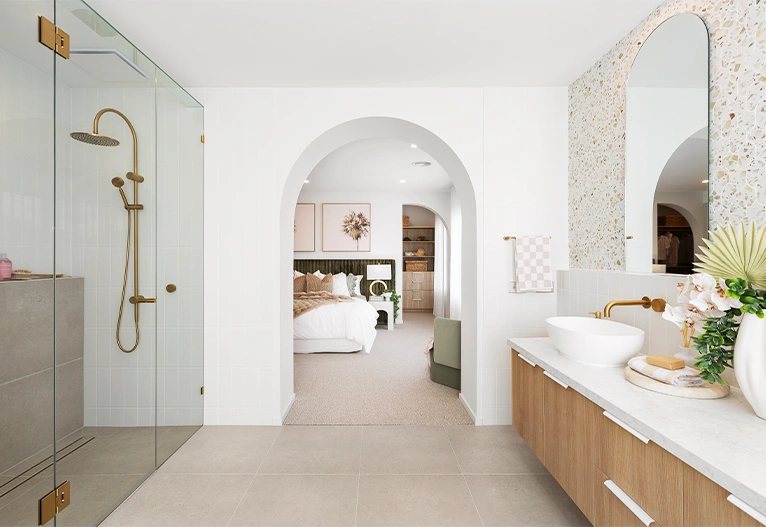
It wasn’t that long ago that sharp lines ruled Australian homes. But according to the team at Metricon, curves are quietly taking over, bringing warmth and flow to homes inside and out.

Lisa Goodsall leads the Studio M Retail team at Metricon in QLD and oversees the design direction for over 150 display homes nationally. With 22 years at Metricon, Lisa connects great design with how customers truly live, creating spaces that inspire families across Australia.
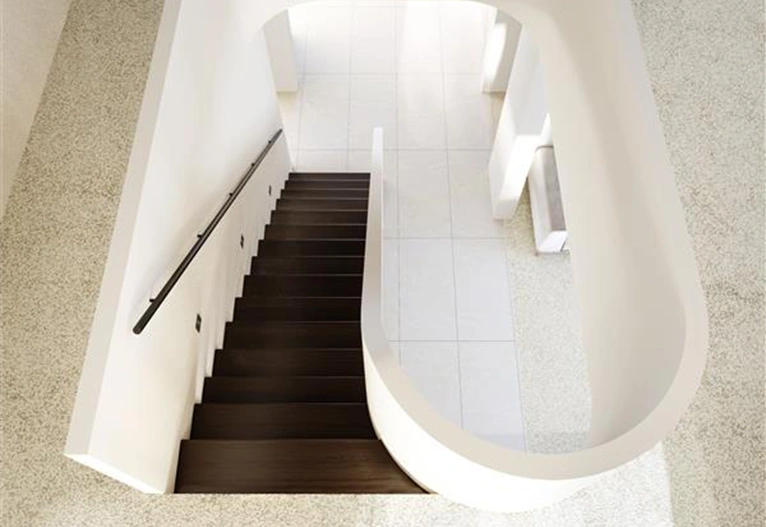
Across Australia, a clear design evolution is underway. The sharp edges and rigid geometry that once dominated contemporary homes are giving way to softer silhouettes, curved architecture and organic forms.
From sculptural sofas and rounded kitchen islands to arched façades and flowing floor plans, this shift is more than aesthetic; it reflects a fundamental change in how Australians want their homes to feel.
At Metricon, we’re seeing this preference play out in real time, in our most popular display homes and customer selections for their own homes, with curves increasingly integrated into both interior and exterior design. The result is homes that feel warmer, more welcoming and inherently liveable. This movement toward softer forms isn’t a fleeting trend; it’s a response to lifestyle, wellbeing and longevity.
Why Australians Are Turning Away From Hard Edges
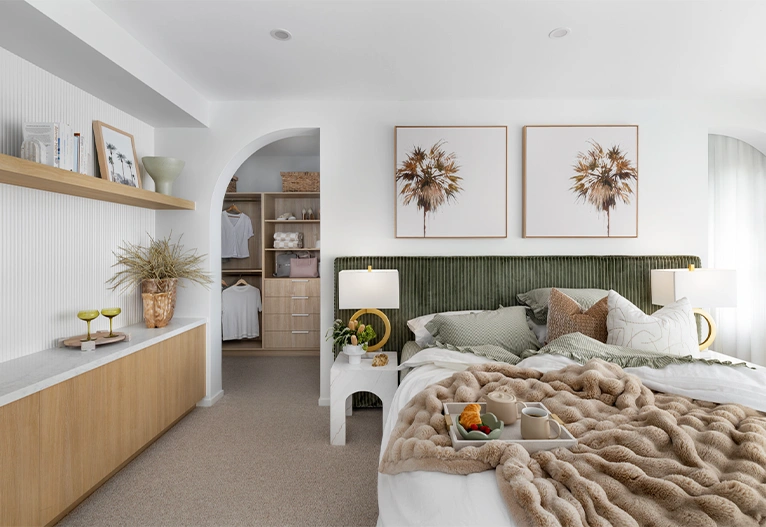
Curved forms have an immediate emotional impact. They feel human. Unlike sharp corners, which can read as formal or severe, rounded shapes create spaces that feel calm, approachable and comfortable.
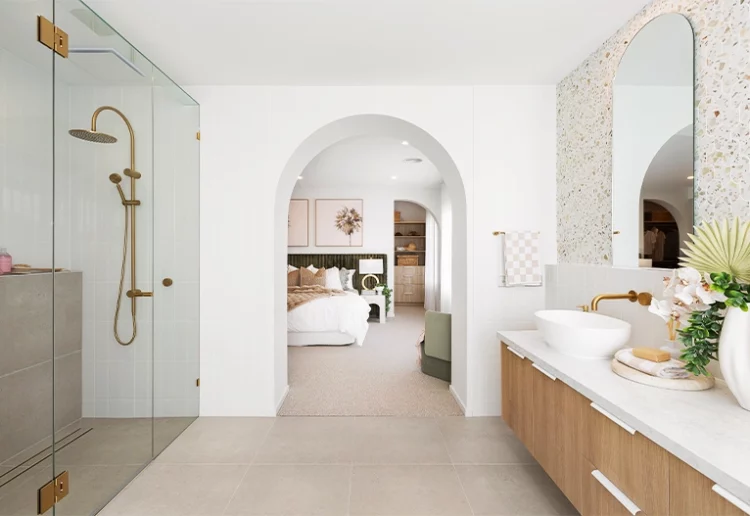
In a post-pandemic landscape, where the home must work harder than ever, Australians are prioritising environments that support relaxation, connection and balance. Metricon’s design approach reflects this shift, incorporating arches, curved walls and fluid layouts that soften transitions between spaces and encourage natural movement throughout the home.
There’s also a strong connection to nature. Curves mirror the shapes we instinctively find calming, like river bends, rolling landscapes and weathered stone. When applied with intention, they subtly change how people experience a home, making spaces feel grounded rather than rigid.
Where Curves Are Having The Greatest Impact
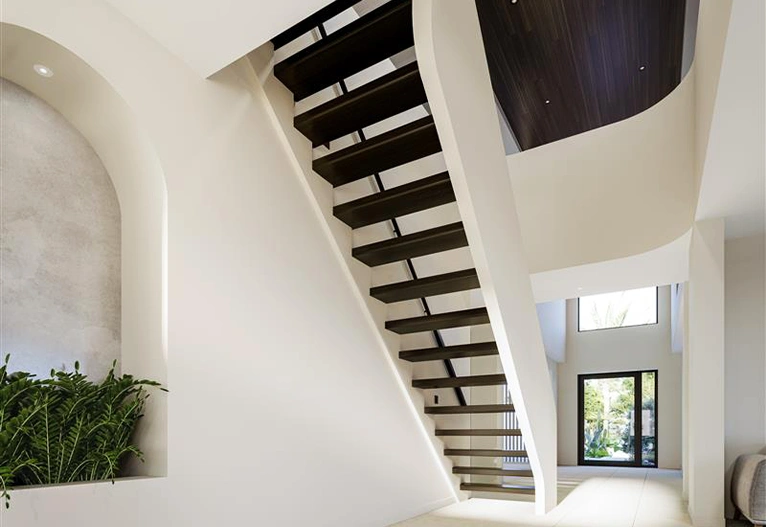
Living areas are where curves truly come into their own. In open-plan homes, especially, softer forms help define zones without closing them off, guiding movement while maintaining connection.
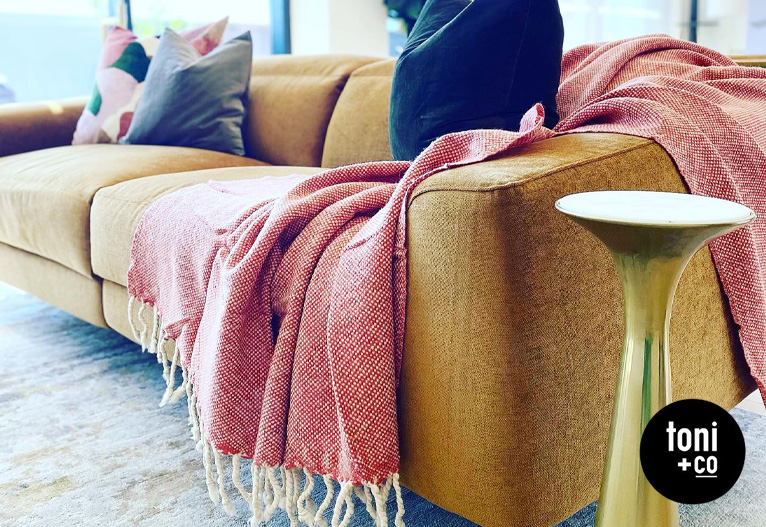
We’re seeing curved walls and architectural features paired with rounded furniture and joinery details to create spaces that feel social yet intimate. A curved feature wall, sculptural staircase or softly contoured sofa can anchor a room without dominating it, giving shared spaces a sense of ease and cohesion.
Bathroom Retreats & Kitchens That Flow
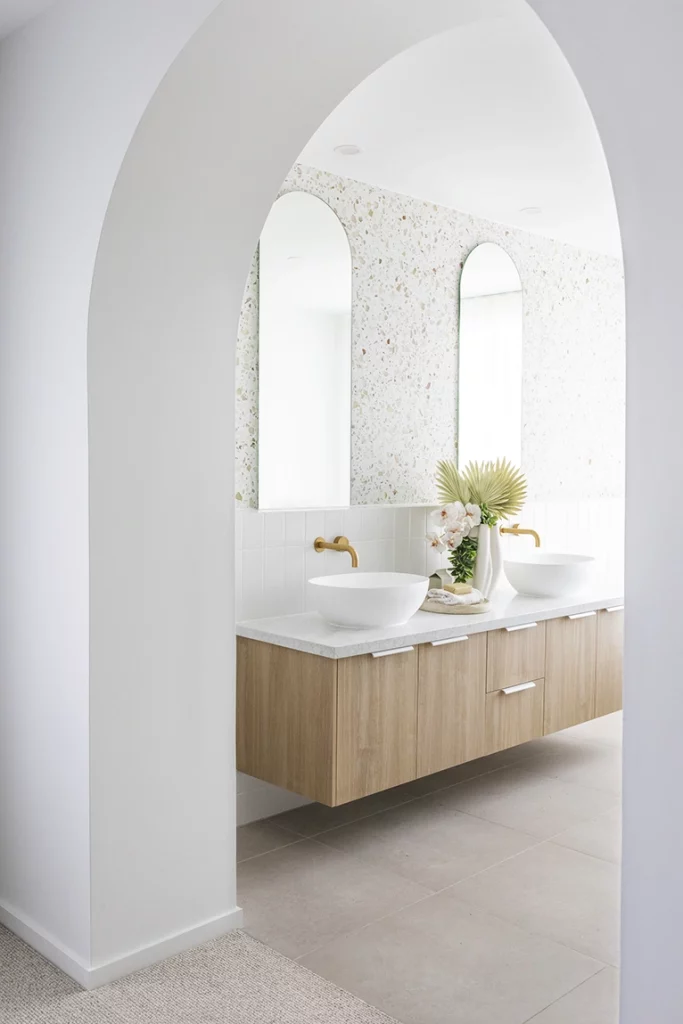
In bathrooms, curves are transforming everyday functionality into an experience. Organic shapes immediately evoke a sense of retreat, turning practical spaces into sanctuaries. Curved shower walls, oval solid-surface bathtubs and sculptural basins, frequently featured across Metricon homes, bring a spa-like quality to daily routines.
Kitchens are also evolving. Traditionally linear and box-driven, they’re now being softened with curved islands, rounded edges and flowing layouts. These forms improve circulation, reduce visual bulk and make high-use family kitchens feel more intuitive and welcoming. At Metricon, curved kitchen design is always paired with practical flow.
Curves Are Changing The Street, Too
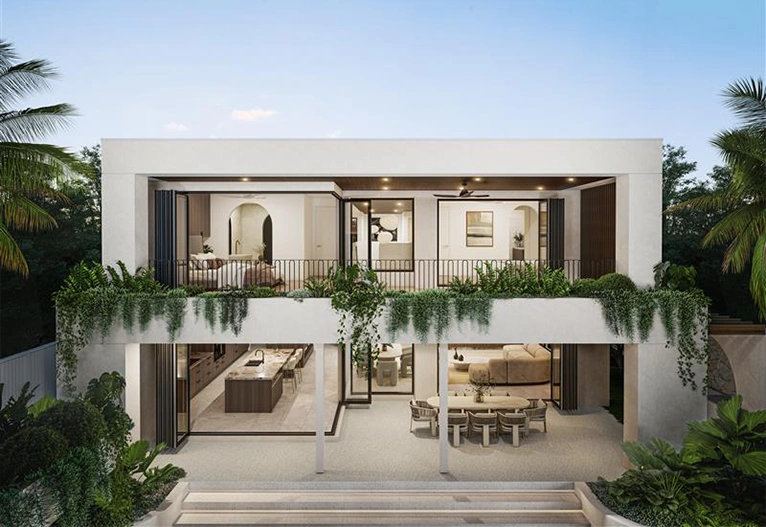
The shift towards curves doesn’t stop at the interior. Across new residential developments and knock-down-rebuild sites, softer architecture is reshaping streetscapes. Arched entries and contoured façades are replacing overly angular exteriors.
Metricon’s façade designs increasingly draw on Mediterranean influences, combining curves with textured render, stone and layered materials. The result is homes that feel warm, grounded and timeless from the outside in. Curved exteriors add depth and individuality, boosting street appeal while signalling craftsmanship, a key factor for today’s buyers.
Furnishings And Finishes That Complete The Story
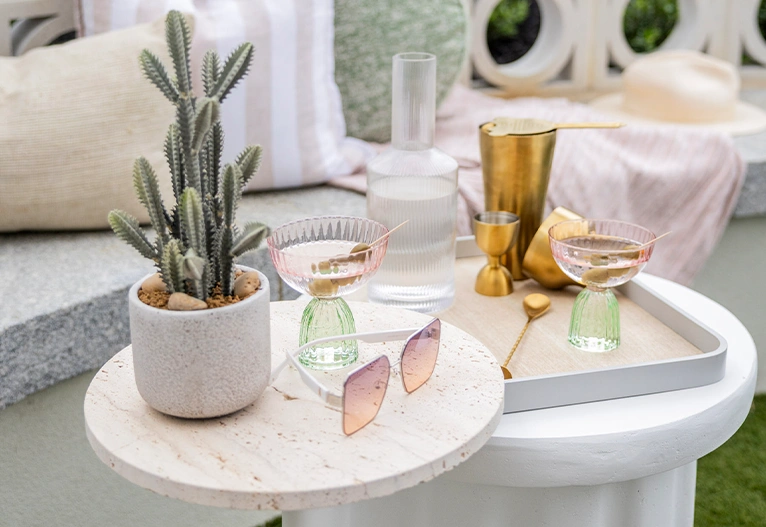
For homeowners wanting to embrace the trend without major structural change, furnishings offer an easy entry point. Curved sofas, circular dining tables, rounded armchairs and fluted joinery add softness while remaining practical.
Lighting is equally important. Oversized globe pendants and clustered circular fixtures soften ceilings and introduce sculptural interest. Metricon often use arched mirrors and gently curved cabinetry profiles to add depth without overwhelming a space. The secret is restraint; curves work best when layered thoughtfully.
How To Use Curves Without Dating Your Home
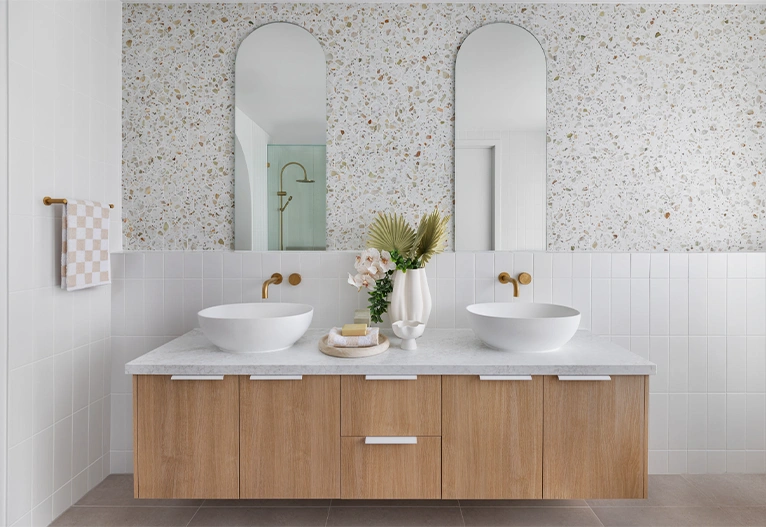
For those concerned about longevity, the key is moderation. Rather than committing to curves everywhere, we encourage introducing softness through furniture, décor and adaptable features like bedheads, mirrors, rugs and occasional chairs which deliver impact while remaining easy to update.
Outdoors, landscaping offers another flexible option. Curved garden beds, winding paths and circular seating areas around fire pits soften the home’s footprint while allowing for future change. When curves are paired with timeless materials like timber, stone and neutral palettes, they transcend trend cycles and remain relevant for decades.
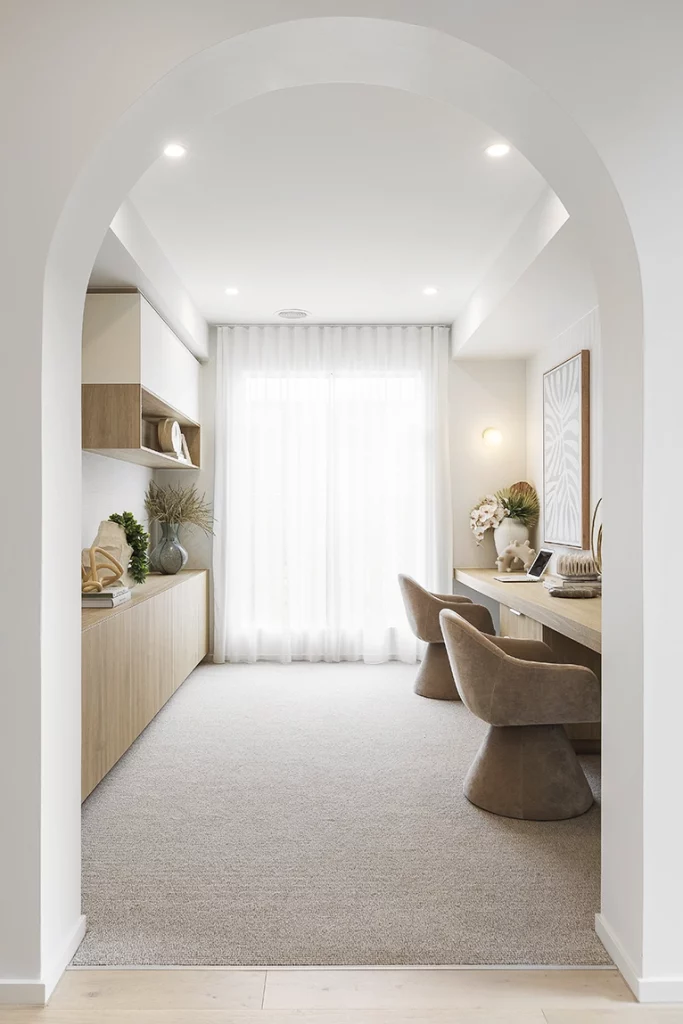
As Australians continue to seek homes that prioritise comfort, connection and emotional wellbeing, softer forms are stepping firmly into the spotlight. Through considered design and intentional use of curves, Metricon’s designs reflect a clear shift in residential living, away from sharp statements and toward spaces that feel genuinely lived in, welcoming and enduring.
How would you love to introduce curves into your home? Leave us a comment below.
-

-
-
Caitlin, NSW
- 21 Mar 2026
-

-
-
MH513900, NSW
- 26 Feb 2026
-

-
-
Helen.Dee, VIC
- 23 Feb 2026
-

-
-
ChiWren, QLD
- 21 Feb 2026
-

-
-
sars_angelchik, TAS
- 17 Feb 2026
-

-
-
El63, QLD
- 16 Feb 2026
-

-
-
MH514261, NSW
- 13 Feb 2026
Post a commentTo post a review/comment please join us or login so we can allocate your points.